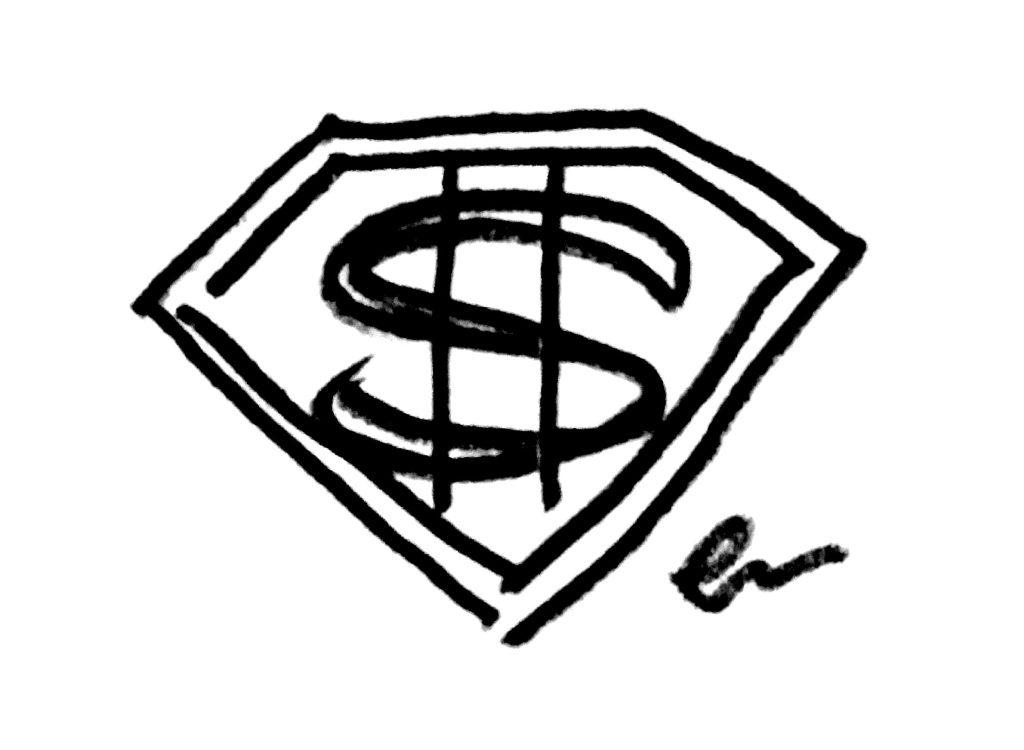
In Hollywood movies, superheroes usually solve big problems on their own. They have special abilities and a lot of influence. They seem to fight for justice, but at the same time, they also hold great power and control.
If we look at politics this way, the style of Donald Trump can be seen as using this kind of “superhero story.” He presents himself as a problem-solver, turns complex global issues into simple win-or-lose situations, and often says that strong leadership can bring quick results.
But an important question comes up:
Who are those “solutions” really for?
Politics and foreign policy are not just about making a country look strong. They are closely connected to many interests, such as business, money, personal wealth, and political power. For example, tough foreign policies or rising tensions can affect the defense industry, energy markets, and financial systems, often helping certain groups more than others.
Regarding tensions with Iran. This is not just a simple story of good versus bad. It involves oil, military strategy, and regional power. However, when it is explained as a simple conflict, it becomes easier for people to understand, but it can hide how complicated the situation really is.
Another feature of the superhero story is that one person takes all the power. Everything depends on that one leader. But in real life, the results of those decisions affect many people, citizens, allied countries, and even the global economy. In other words, when one person makes a decision, many others live with the consequences.
So in the end, we should ask:
Is strong leadership really for the public good?
Or is it another way to increase power, influence, and wealth?
Superheroes look great on screen. But in real politics, we need to think more carefully about who benefits and who might be left out.
What do you think? Do we need this kind of “hero-style politics,” or should we be careful about it?